
Steven Belanger
Feb 13, 2026

Trivia Question❓What is the maximum depth of Sebago Lake, Maine? Answer at the bottom of the newsletter |
The Legacy of Sebago Lake Station |
Sebago Lake, one of the largest and deepest lakes in Maine, has long been a destination for tourists and locals alike. Its sparkling waters, wooded shores, and proximity to Portland made it a natural retreat, particularly during the late 19th and early 20th centuries, a period often referred to as the Golden Age of Railroads. However, hidden among the rich history of the lake and its surrounding communities lies a forgotten chapter—the Sebago Lake railroad station.
During the mid-19th century, the expansion of the railroad was transforming the United States, and Maine was no exception. The arrival of railroads connected the rural regions of Maine to the bustling markets of Portland, Boston, and beyond. The Portland & Ogdensburg Railroad, later known as the Maine Central Railroad, was instrumental in opening up the interior of the state. By 1871, the railroad reached the shores of Sebago Lake, marking the beginning of a new era for the region.
The Sebago Lake station was a modest structure, yet it became a crucial hub for the transportation of goods and passengers. The station was part of a network of stops that dotted the route from Portland to Fryeburg and beyond, serving as a gateway for tourists eager to explore the natural beauty of the area. For many years, the station played a significant role in the economic and social life of the Sebago Lake region.
In its heyday, the Sebago Lake station was a bustling center of activity. Trains arrived daily, bringing visitors from Portland and other urban centers who were eager to escape the heat and chaos of the city for the cool, refreshing waters of Sebago Lake. The station served not only as a point of arrival and departure but also as a social hub where travelers mingled, exchanged stories, and made plans for their lakeside adventures.
During the summer months, the station was particularly busy. Families would arrive with trunks full of clothes and provisions, ready to spend weeks at the lakeside cottages that dotted the shore. Hotels and inns around the lake relied on the railroad to bring guests, who would often stay for extended periods, contributing to the local economy. Local farmers and craftsmen also benefited from the railroad, using the station to ship their goods to markets in Portland and beyond.
The railroad station at Sebago Lake was more than just a transportation hub; it was a vital part of the community. For local residents, the station provided a connection to the wider world. It was through the railroad that they received news, goods, and visitors. The station also served as a meeting place, where locals would gather to greet arriving relatives or say goodbye to those departing.
The presence of the railroad also influenced the development of the area around Sebago Lake. Small villages and communities sprang up around the station, supported by the influx of tourists and the economic opportunities created by the railroad. Shops, restaurants, and other businesses catered to the needs of travelers and locals alike, creating a vibrant local economy.
Despite its importance, the Sebago Lake station's fortunes were tied to the railroad industry, which began to decline in the mid-20th century. The rise of the automobile and the construction of new highways, including the Maine Turnpike, made it easier for people to travel by car. As a result, fewer people relied on the train to reach Sebago Lake. The station, once a bustling hub of activity, saw a significant drop in passenger traffic.
By the 1950s, the decline of the railroad industry was evident. The Sebago Lake station, like many others across the country, saw fewer and fewer trains pass through. Freight traffic also declined as trucks and other forms of transportation became more popular. The station, which had once been a vital part of the community, began to fade into
The final blow came in the 1960s when the Maine Central Railroad discontinued passenger service on the line that ran through Sebago Lake. The station, which had been the lifeblood of the community for nearly a century, was abandoned. Over time, the structure fell into disrepair. The wooden building that had once welcomed thousands of visitors each summer became a ghostly relic, a symbol of a bygone era.
As the years passed, the Sebago Lake station was slowly forgotten. The tracks still remain however the land was reclaimed by nature. The station, once a bustling hub of activity, disappeared from the landscape, leaving behind little more than memories. For many local residents, the station became a distant memory, a story told by grandparents who remembered the days when the train was the lifeline of the community.
While the Sebago Lake station may be forgotten by many, its legacy lives on in the history of the region. The station played a crucial role in the development of Sebago Lake as a tourist destination. It helped to shape the communities around the lake and contributed to the economic growth of the region. The station also serves as a reminder of the impact that the railroad had on small towns and rural communities across the United States.
In recent years, there has been renewed interest in the history of railroads in Maine, including efforts to preserve what remains of the state's railroad heritage. Historical societies and local historians have begun to document the stories of forgotten stations like Sebago Lake, ensuring that their contributions to the region's history are not lost.
Today, visitors to Sebago Lake may find it hard to imagine a time when the sound of a steam locomotive echoed across the water, or when the arrival of the train at the station was the most anticipated event of the day. Yet, for those who take the time to explore the history of the area, the story of the Sebago Lake railroad station offers a fascinating glimpse into a time when the railroad was the heartbeat of the community.
The Sebago Lake railroad station may no longer stand, but its memory remains a part of the fabric of the region's history. It is a testament to the transformative power of the railroad, which connected small communities to the wider world and played a crucial role in the development of rural America. While the station itself may be forgotten, its legacy endures, reminding us of the important role that the railroad played in shaping the communities around Sebago Lake.
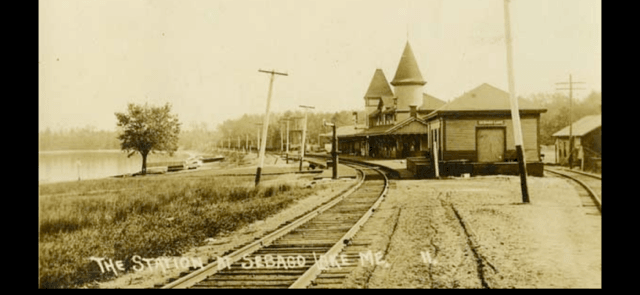
The original Sebago Lake Station, early 1900'S Photographer unknown. |
 |
ICE FISHING DERBY 2026 |
Ice Fishing Derby |
Interesting Facts |
In addition to being Maine's second largest lake, Sebago Lake is also one of the deepest lakes in the state, reaching depths of over 300 feet.
The lake is a popular spot for fishing, with a variety of fish species including landlocked salmon, lake trout, and bass.
Sebago Lake is the primary water source for the city of Portland, Maine, providing residents with clean drinking water. |
Yankee Smokehouse: A North Country Gem for Authentic Slow-Smoked BBQ and Comfort Food |
Yankee Smokehouse in Ossipee, NH is a beloved destination for authentic slow-smoked barbecue and hearty comfort food. Yankee Smokehouse 2345 White Mountain Highway W Ossipee NH.
Yankee Smokehouse is a proud sponsor of Sebago Lake News |
Randall's Orchard 1 Randall Drive Standish Maine
|
Thank you for being the pillars of support for our community news! We couldn’t do it without your continued generosity and commitment. 👏✨
|
📣 Advertising Opportunity! 📣 Are you looking to reach a wider audience and promote your business effectively? Advertise with Sebago Lake News and connect with our engaged community. Whether you're a local business or a service provider, this is your chance to shine!
Contact us today to learn more about how we can help your business grow! Feel free to reach out to Steve at 207-838-1956 sebagolakenews@yahoo.com for more details. Don't miss the opportunity to be a part of our thriving community!
|
💡 Answer to Trivia Question: The maximum depth of Sebago Lake, Maine is approximately 316 feet. |